Integrating new technology, such as a rearview camera, into the bike's interface enhances rider safety.
Research
Concept developement
UX Design
3D modelling
This project was created in the interface design course, which aimed to design an interface with a specific target group and object in mind.
In recent years, food delivery has experienced a significant surge, driven by the increasing demand for convenience and the push to make urban delivery more sustainable and environmentally friendly. Meanwhile, delivery bikers face challenges such as navigating traffic, meeting delivery deadlines, and ensuring their safety.
First of all, we analyzed the delivery phase experienced by a delivery rider and identified the challenges that arise during this process. We familiarized ourselves with how the business operates and focused on food deliverers as they navigate traffic, manage time pressures, and juggle multiple orders, all while ensuring that food reaches customers quickly and in good condition.
To gather information, we accompanied a delivery rider on a daily shift and interviewed bike industry experts. Our focus was on current and future technologies for improving bike safety and navigation, as well as interface design considerations, particularly regarding dimensions and minimizing distractions. These interviews confirmed many of our research findings and provided valuable insights, such as the benefits of using a rearview camera.
Integrating new technology, such as a rearview camera, into the bike's interface enhances rider safety.
After conducting interviews, we performed a self-shadowing exercise to test several ideas. We evaluated the experience of biking with a phone holder and screen visibility on uneven roads. Additionally, we explored using audio feedback by testing navigation instructions through one Apple AirPod and assessed the impact of active noise-canceling. We concluded that it is crucial for bikers to hear their surroundings without any interference.
Our next step was to develop ideas that could be combined into a testable concept. One standout idea was to integrate a smart twist-to-lock phone holder with the bike’s locking mechanism, allowing the phone to both attach and unlock the bike with a 90-degree turn.
We also began designing an app with features such as navigation, hardware button controls, and a rearview camera integration. Using smartphones instead of a separate display was preferred for easier updates and convenience. Another idea was to use LED rings on the handlebars to display various information.
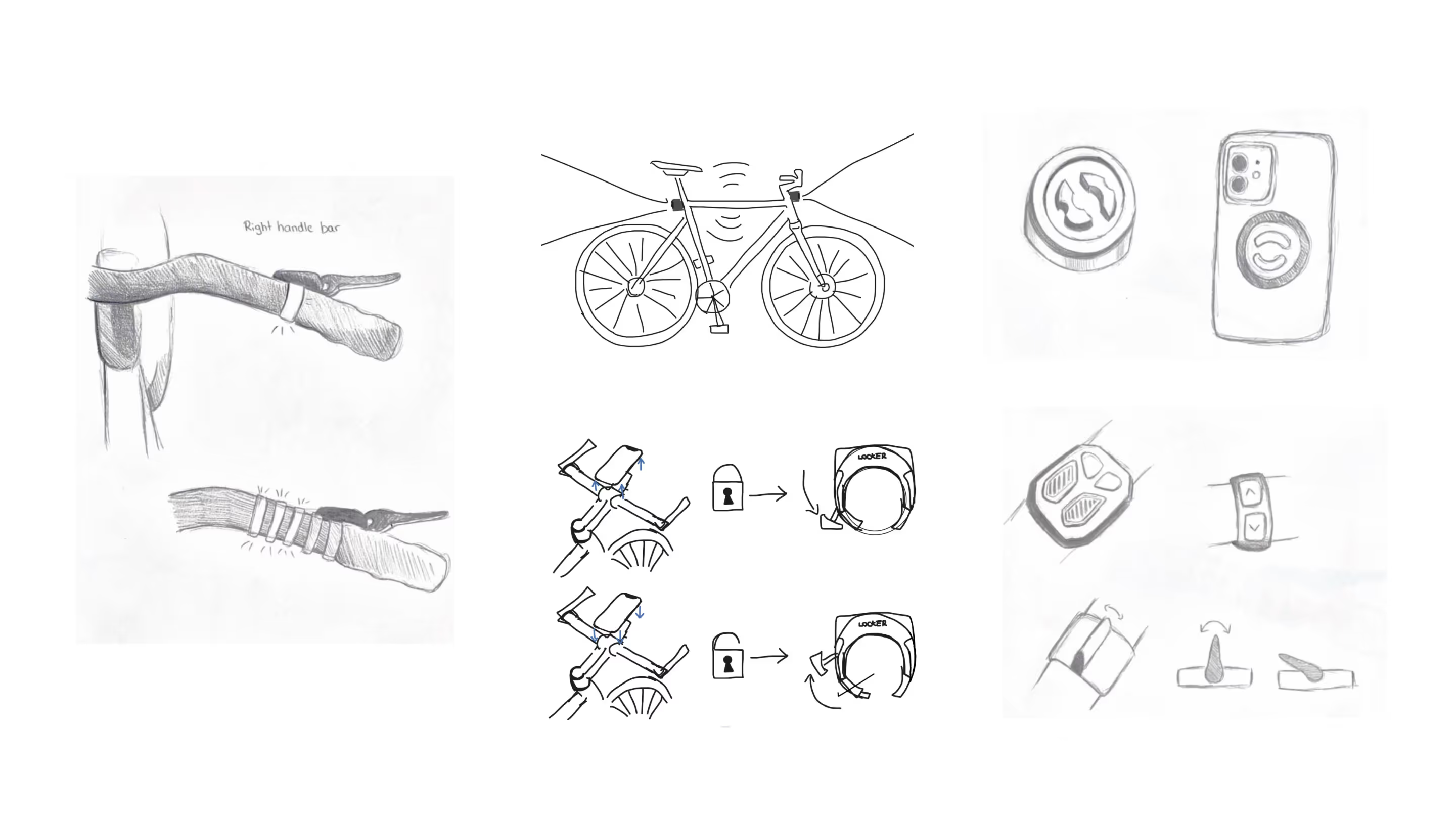
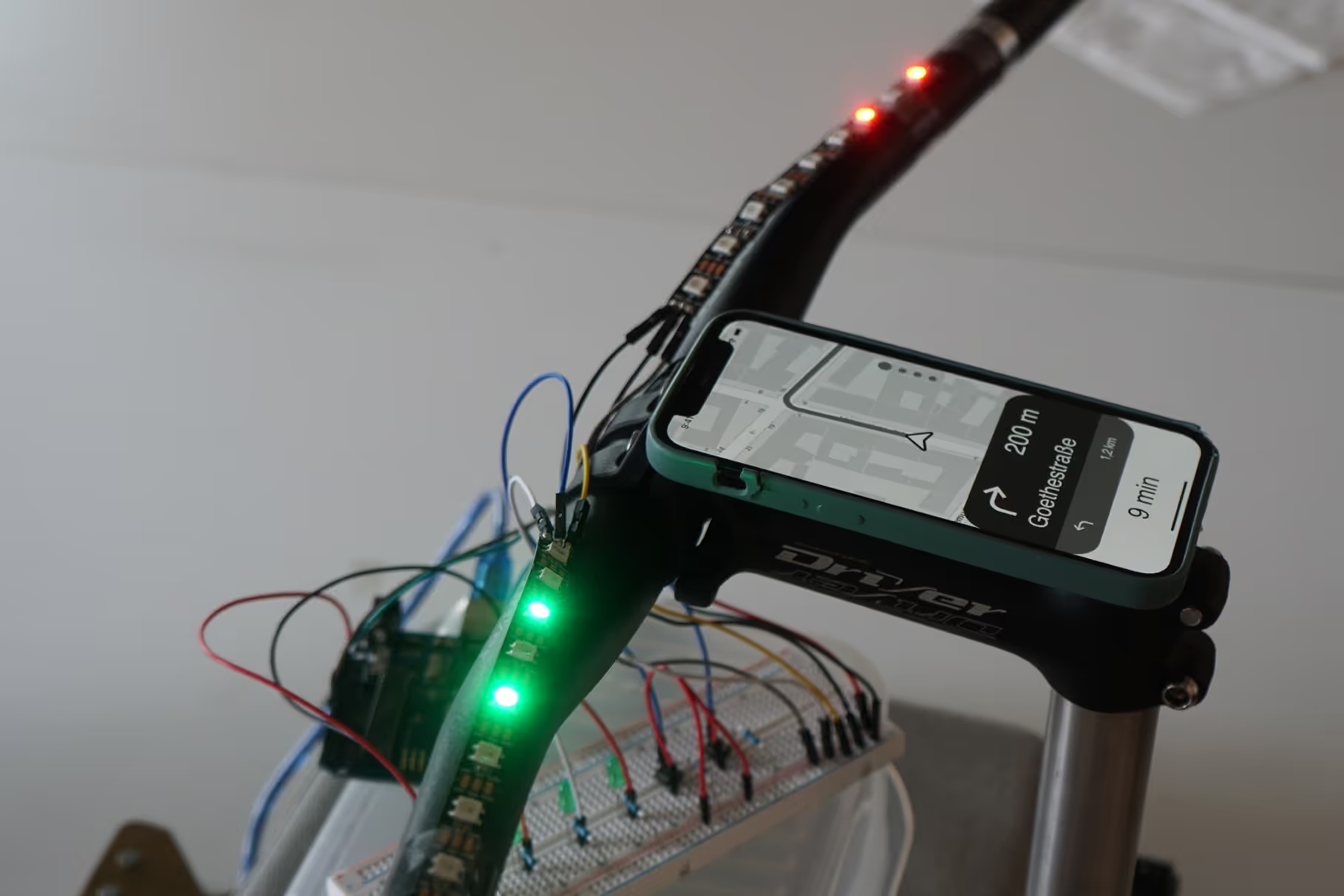
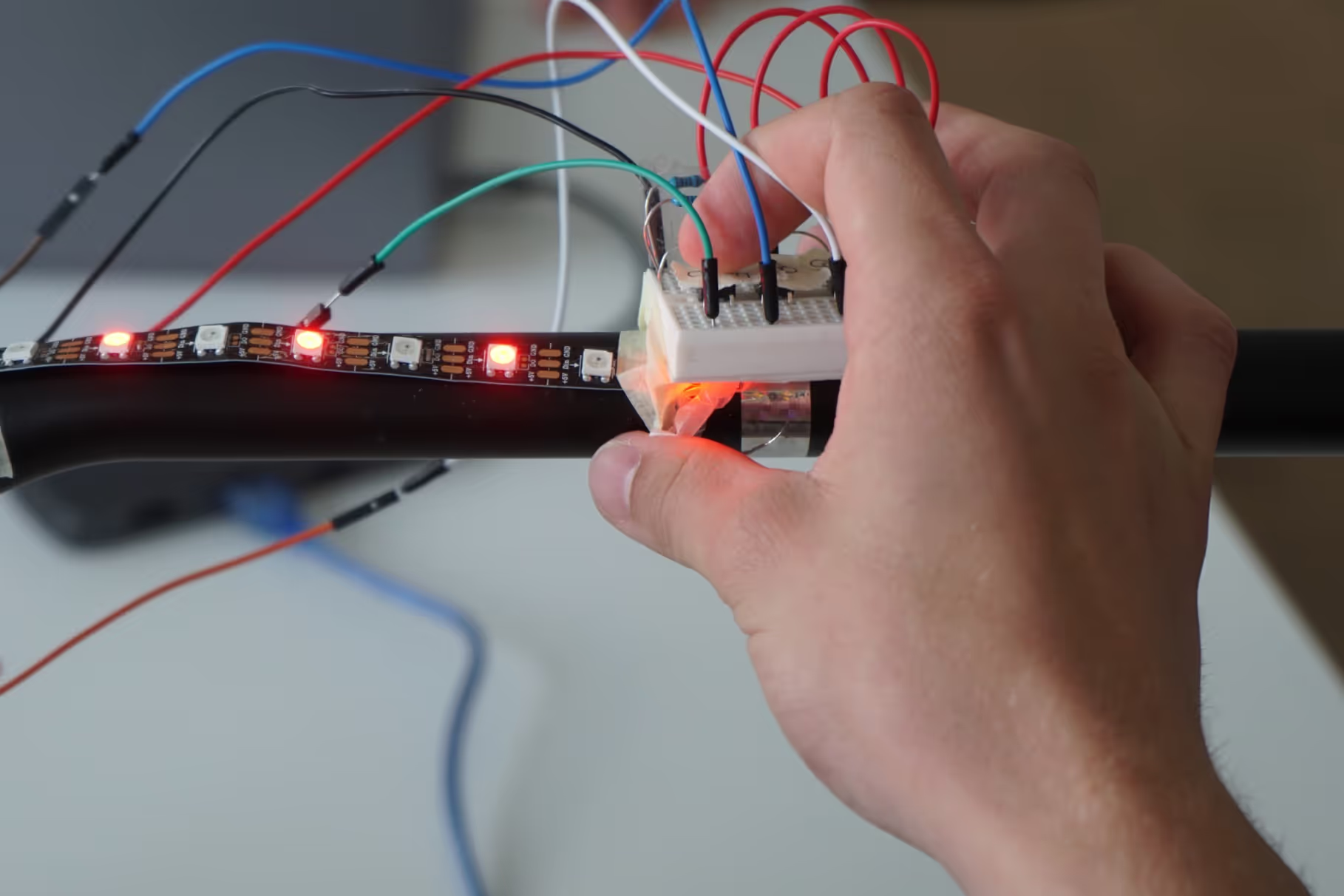
To test the concept with deliverers and bikers, we built a prototype using a bicycle handlebar, LED strips to simulate LED rings, and clay molded buttons, with a smartphone placed at the center.
The goal was to test both the physical and digital interfaces by combining an Arduino Uno microcontroller with ProtoPie Connect. This setup allowed for effective prototyping of controls and lighting, enabling the testing of various physical buttons and lighting animations.
We developed Lumos - a bike interface built on our insights and prototypes that integrates cutting-edge technology to enhance both safety and navigation for cyclists.
The bike, serving as our base, is equipped with a wireless connection module that features GPS, e-SIM, and Bluetooth technology. This module connects to the user’s smartphone for data transfer and control of the locking mechanism.
The bike can share its precise location independently, while an ultra-wideband chip embedded in the phone mount ensures that the bike is securely unlocked only when the phone is in place.
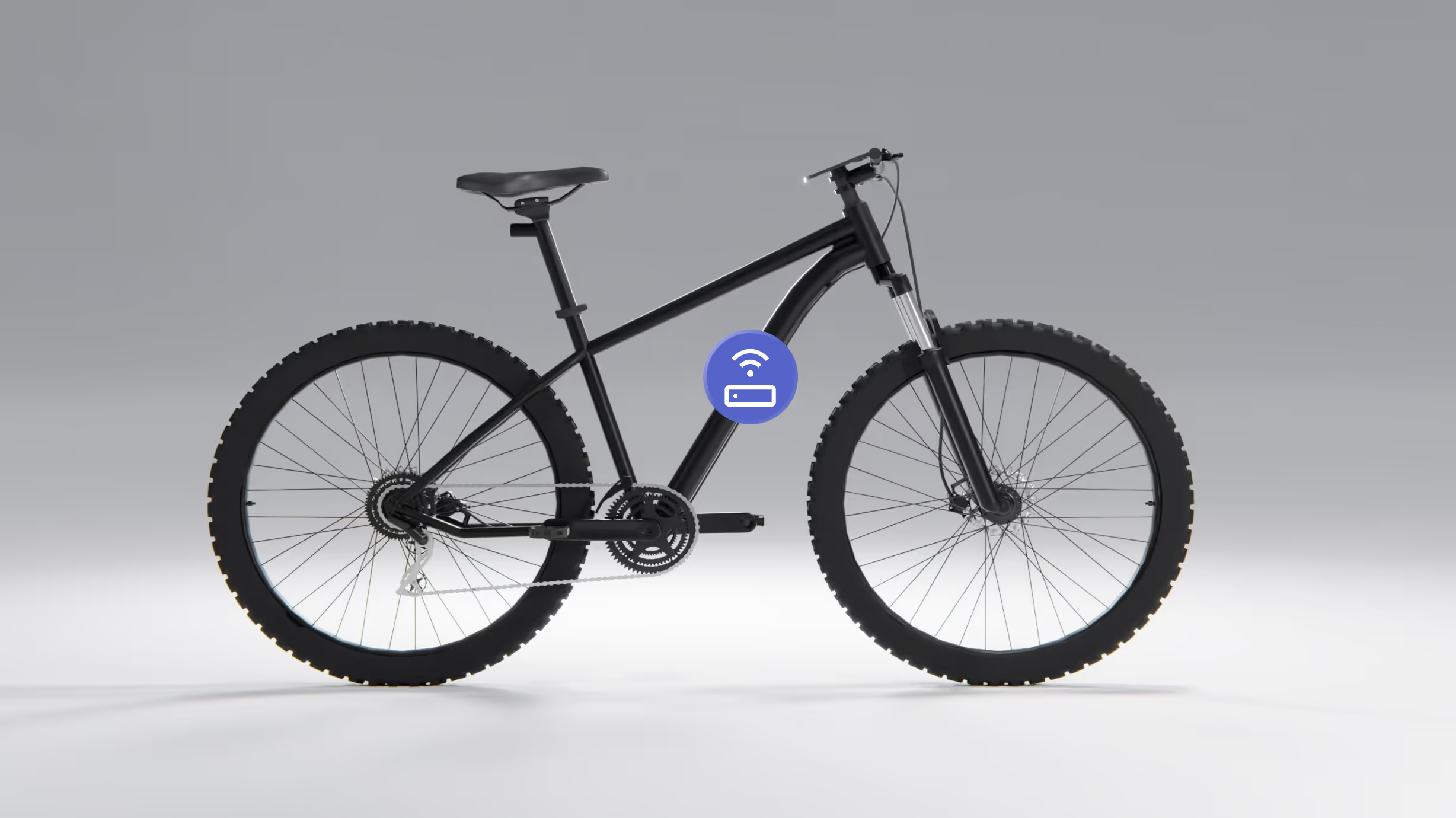
The wireless connectivity module is seamlessly integrated into the bicycle frame.
To unlock the bike, the deliverer’s smartphone is attached to the handlebar with a 90-degree rotation. While the phone is mounted and being charged inductively, the bike remains unlocked, allowing the user to begin their ride.
All necessary ride information is displayed on a bike-optimized interface. When the phone is removed to pick up or drop off a delivery, the bike locks automatically to reduce the risk of petty theft.

The secure locking system ensures a quick and safe lock.
Under the saddle, a rear-facing camera acts as a rearview mirror, enabling riders to check their surroundings easily in high-traffic areas, thereby enhancing safety. The camera also detects if the bike is in a car's blind spot or if a car is approaching closely, helping to prevent common accidents.
The handlebar feature four LED rings on each side, providing quick visual signals. The rings light up to alert the rider to potential risks, and a blinker-like animation assists with navigation in high-traffic areas, signaling turns clearly.

If a vehicle enters the biker’s blind spot or passes closely, the LED rings alert and warn the cyclist to ride cautiously.
The handlebar features two sets of buttons: two arrow buttons on the left for switching between bike engine modes, and two arrow buttons with a larger square button on the right. The right-side buttons switch between different app views and display the rear camera image. The buttons have textured surfaces for easy identification and quick activation without needing to look. This design makes the interface fully operable through buttons, enhancing safety and ergonomics compared to a touchscreen.

The buttons are designed for optimal safety and ergonomic comfort.
When the phone is not mounted, riders can quickly access essential shift information, such as bike location, battery status, weather, schedule, and earnings. This provides an overview for shift preparation.
Once mounted, the phone switches to a bike optimized interface with multiple views, allowing riders to select the most relevant information without screen clutter. These view modes can be easily navigated using handlebar buttons.
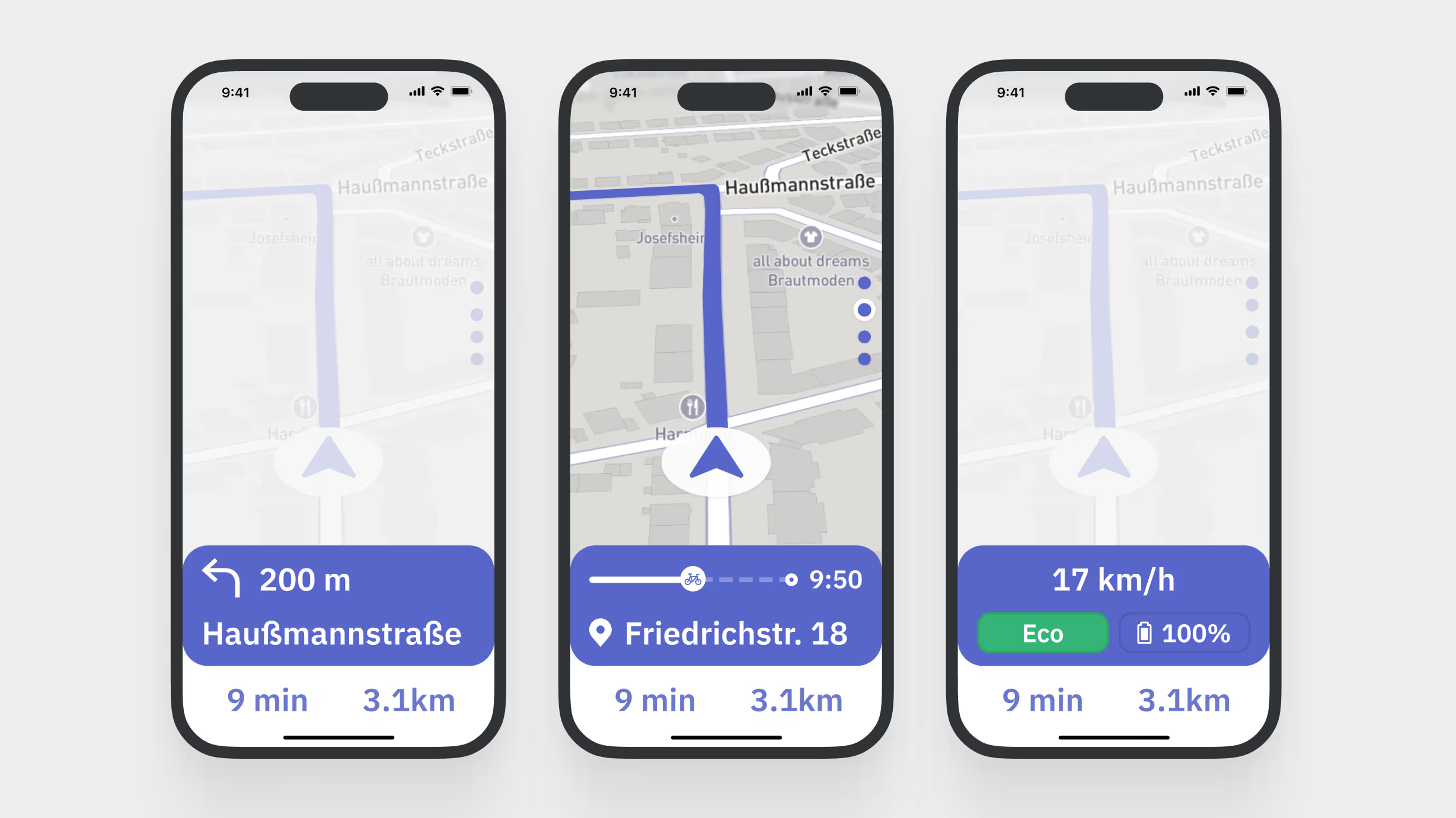
Several viewing modes provide essential information, including navigation instructions, distance, ETA, battery level and speed.
By combining advanced navigation, rear camera functionality, smart LED rings, and a user-friendly interface, Lumos is a comprehensive and innovative system. It specifically addresses the needs of bicycle food delivery drivers by simplifying navigation through traffic, helping them meet delivery deadlines, and enhancing their safety on the road.
Feedback from the industry and bikers indicated that our Lumos interface concept would improve their safety on the streets while providing all the necessary information displayed at the right time.
This project reaffirmed for me that UX methods, such as gathering feedback and insights from experts and users, rapid prototyping, shadowing and testing, lead to better results that are more tailored to user needs while also contributing to a more efficient design process.
Lumos - product video